The European home organization market is growing fast - valued at USD 9.23 billion in 2026 and projected to reach USD 10.74 billion by 2031. For retailers and distributors across the Netherlands, Poland, and Spain, this is not just a market shift. It is a sourcing opportunity that demands action now.
Consumer expectations are evolving. European homeowners are no longer willing to settle for purely functional storage. They want products that are sustainable, aesthetically pleasing, and adaptable to the way modern families actually live. For B2B buyers, understanding these demands is the difference between moving inventory quickly and sitting on unsold stock.
Here are the key trends defining the European home organization market in 2026 - and what they mean for your product selection.
1. Sustainable Materials Are No Longer Optional
Plastic is out. Across Europe - and especially in markets like the Netherlands and Germany - consumers are actively seeking storage products made from eco-conscious materials. The shift is driven by a combination of environmental regulation, growing consumer awareness, and a broader design movement toward natural textures.
What to stock:
- Metal mesh organizers (durable, recyclable, minimalist)
- Products with natural finishes that complement warm-toned interiors
- Lines that can carry credible sustainability messaging for end-user marketing
For European retailers, stocking sustainable home organizers is no longer a niche play. It is baseline market positioning.


2. Modular & Multi-Functional Systems Are Driving Volume
European homes - particularly in urban Poland and Spain - tend to be smaller in square footage. This reality is reshaping what consumers buy. Fixed, single-purpose organizers are losing ground to modular systems that can be reconfigured across rooms and uses.
What this means for buyers:
- Products that work across kitchen, closet, and bathroom settings offer higher perceived value
- Stackable, expandable, and wall-mountable formats are outperforming static solutions
- Retailers who offer modular systems see stronger repeat purchase rates
For wholesalers, this represents a strategic inventory shift: fewer SKUs with higher versatility deliver better margins and lower return rates.


3. Closet & Wardrobe Organization Is the Fastest-Growing Sub-Category
Closet organization is experiencing a surge of interest across Europe in 2026. Influencer-driven content around wardrobe curation and the "organized closet" aesthetic has translated directly into retail demand. This trend is particularly strong in Spain and the Netherlands, where interior design consciousness runs high.
Key products in demand:
- Drawer dividers and stackable shelf organizers
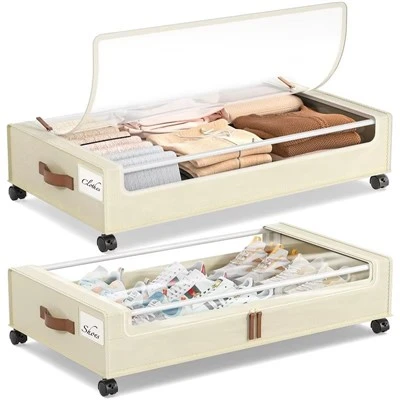
- Breathable fabric bins for seasonal item storage
- Slim-profile hangers and accessory trays
- Transparent storage boxes for visibility and accessibility
For distributors targeting home décor retailers, closet organization represents the category with the clearest upsell potential.


4. Kitchen Storage Remains the Anchor Category
Despite rising interest in closet and bathroom products, the kitchen remains the highest-volume category for home organization across all European markets. The post-pandemic focus on home cooking continues to drive demand for pantry management, countertop organization, and drawer solutions.
What European retailers are prioritizing:
- Under-sink pull-out organizers
- Adjustable pantry shelf risers
- Countertop caddy systems
- Cabinet door storage racks
For B2B buyers, kitchen storage is the safest category for high-volume orders and the one most likely to generate re-orders within the same retail season.


5. Aesthetic Cohesion Is a Purchase Driver
European buyers - particularly in the Netherlands and Spain - are increasingly purchasing home organizers as décor items, not just utility products. Products that blend seamlessly into interior design are outselling purely functional alternatives.
The design direction for 2026 is clear:
- Matte finishes over glossy surfaces
- Neutral and earthy tones (off-white, sand, black, anthracite)
- Clean geometric lines with minimal branding
- Metal and mixed-material combinations that feel premium
For retailers, this means the packaging and in-store presentation of organizers matters as much as the product specifications. Suppliers who can offer customizable finishes or OEM color options provide a meaningful competitive advantage.


What This Means for Your Sourcing Strategy
The common thread across every 2026 trend is this: quality and design can no longer be separated from function. European consumers are making purchasing decisions based on aesthetics, sustainability, and adaptability - not just price.
For retailers and distributors, this translates into three practical priorities:
- Expand material diversity - add metal and natural-look finishes alongside standard options
- Prioritize modular collections - enable your customers to build solutions across their home
- Work with manufacturers who offer customization - OEM and ODM capabilities allow you to differentiate your product range in a competitive retail environment
At Wideny Organizer, we manufacture home storage solutions built specifically around these market realities. Our 2026 collection spans kitchen, closet, bathroom, and living room categories - with customizable finishes and flexible MOQ options designed for European wholesale buyers.
Explore our catalog and request a wholesale quote at www.widenyorganizer.com.